
"The system that people work in and the interaction with people may account for 90 or 95 percent of performance."
W. Edwards Deming

When intent does not become execution.
Organizations rarely fail because they lack strategy, ambition, or values. They fail because those intentions do not translate into consistent execution.
Between intent and performance, there is a gap. That gap is operational.
It shows up as slow progress, uneven accountability, and inconsistent followthrough. Getting things done requires repeated clarification, escalation, and personal intervention. Execution depends on effort rather than design.


"A bad system will beat a good person every time."
W. Edwards Deming
Why these patterns make sense.
People adapt to the environment as it exists. They learn how work really gets done, which risks are acceptable, and what creates friction. They respond rationally to the signals the organization sends.
As these behaviors repeat, they become habitual.
As habits spread, they form the dominant patterns through which work actually gets done.
These patterns are not anomalies. What is often described as culture is the accumulation of these dominant behaviors over time.


821BRIDGE defines culture as:
- what people repeatedly do,
- what leaders reinforce, and
- what systems make easier or harder to do.
What the 821BRIDGE Architecture means.
When execution gaps persist, the issue is no longer effort or communication. It is the absence of a shared structure that connects intent, behavior, and reinforcement. 821BRIDGE provides that structure.

Behavioral Dimensions
through which work actually happens.

Axes of Trust
that set the speed at which organization moves.

Shared Direction
that shapes how strategic intent applies internally.

Organizational Systems
that produce and reinforce behavior over time.
How the Architecture works.
821BRIDGE works as a shared reference point. Rather than starting with initiatives or programs, leaders use the Architecture to examine how work actually happens — how responsibility is taken, how trust operates, and how direction is translated into everyday behavior.
This allows alignment to be addressed at the level where it is produced, not where it is discussed. 821BRIDGE does not replace leadership or strategy. It provides a structure that allows them to work together in a repeatable way.



"The aim of leadership is not merely to find and record failures of men, but to remove the causes of failure."
W. Edwards Deming
Behind the 821BRIDGE Architecture.
821BRIDGE Architecture was developed through more than two decades of work with organizations across many countries in pharmaceuticals, banking, technology, and fintech, in senior executive and advisory roles.

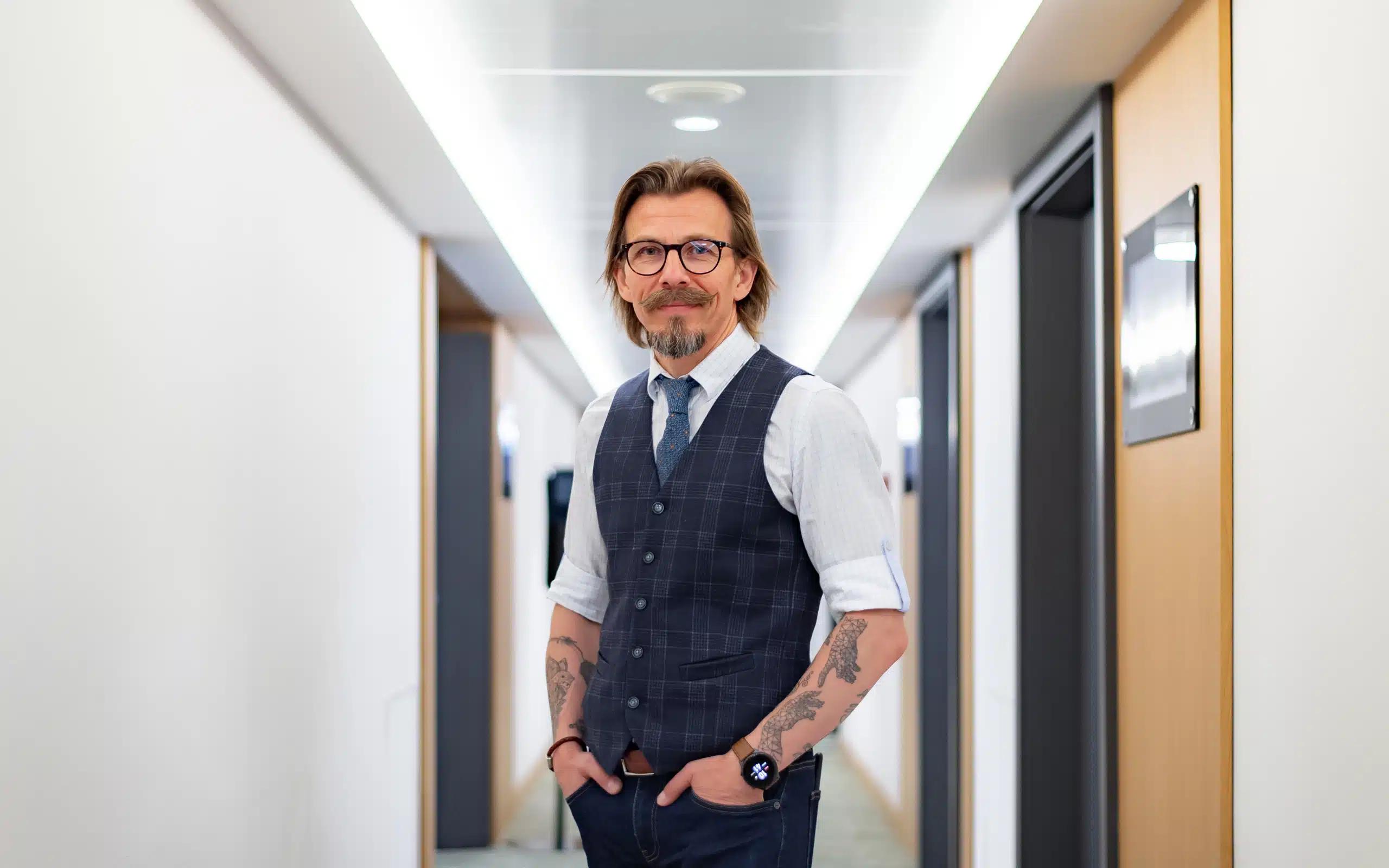
Dennis Brodsky
Principal
Greg Krasnov
Founder & CEO